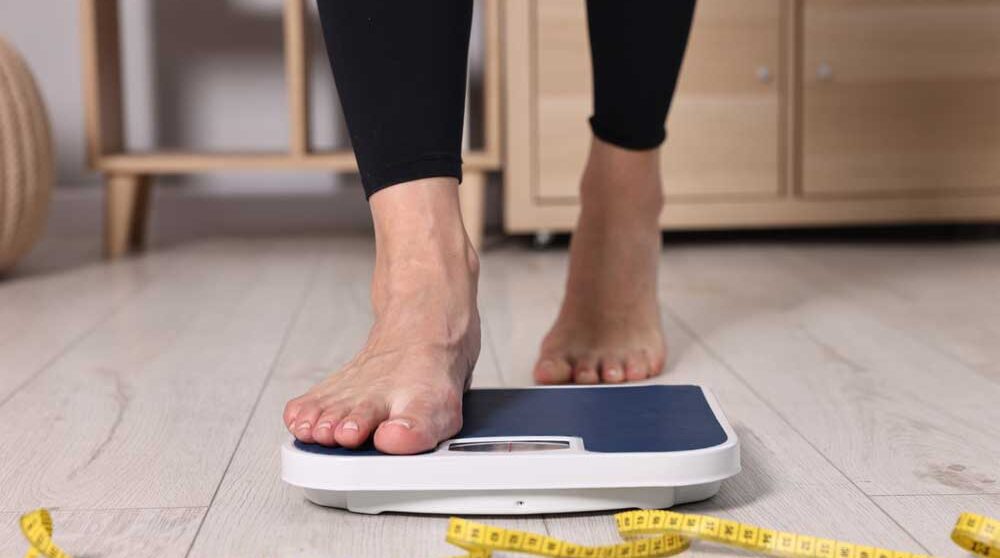
GLP-1 medications have changed how people approach weight loss. These injections can help you drop 30, 40, or even 50 pounds, which is impressive, but if you’re also considering liposuction to get rid of stubborn fat, the order in which you pursue these treatments matters more than you might think.
Most patients assume they should lose weight with medication first, then refine their contours with surgery. Dr. Michael Hakimi’s clinical experience suggests otherwise. After treating numerous patients who’ve combined GLP-1 medications with body contouring procedures, he’s observed patterns that point to a different strategy.
If you’re planning to use both medical weight loss and liposuction, understanding how to combine these procedures can make a significant difference in your results.
Why Liposuction First Makes Sense
If you ask most people whether GLP-1 weight loss or liposuction should come first, most would say weight loss. It feels logical. Reach your weight loss goals first, then fine-tune what’s left. Even though it might seem counterintuitive, Dr. Hakimi’s experience as a board-certified plastic surgeon suggests that the opposite approach can actually lead to better outcomes.
Here’s why:
- Once patients have been on semaglutide or tirzepatide for a while, the fat tends to become “stickier” and adhere to the skin, rather than sitting over the muscle where it’s easier to access.
- This forces your surgeon to work more superficially to separate the fat from the skin, rather than doing a deeper (and safer) liposuction in the plane between fat and muscle.
Together, these effects make the procedure more challenging and can increase the risk of contour irregularities. Doing liposuction first can help you achieve the best possible outcome.
“After visiting numerous doctors, I can confidently say there is no one like Dr. Hakimi. He really listens, takes his time, and makes sure you’re comfortable every step of the way. If you’re thinking about it, don’t hesitate, he really is the best!”
— Nune B.
GLP-1s and Body Contouring Outcomes
Dr. Hakimi’s recommendations aren’t just based on changes to your fat that make liposuction more difficult. There’s also evidence that using GLP-1s before surgery can worsen surgical outcomes, including a recent study out of Texas published in the Aesthetic Surgery Journal, an international, peer-reviewed journal and the official publication of The Aesthetic Society.
This study looked at over 4,000 patients taking GLP-1s for more than six months after bariatric surgery but before undergoing any kind of body contouring procedure. It found that those who were on weight loss medications experienced higher rates of infection and poor wound healing, along with more post-op pain, nausea and vomiting.
Some of these complications make sense. When you’re losing weight rapidly with an easily accessible medication, you may not be getting adequate nutrition. Years ago, massive weight loss was frequently accomplished via surgery, and to qualify, patients had to attend classes, meet with nutritionists and learn how to nourish their bodies properly. Today, patients are losing weight quickly without the built-in nutritional guidance that structured programs used to provide, and a lack of proper nutrition after surgery can impact your body’s ability to heal.
What About Loose Skin?
Rapid weight loss from GLP-1 medications often leaves behind loose skin. The natural assumption is that surgical excision, whether it be a tummy tuck, an arm lift or a thigh lift, is necessary to restore firmer contours. While other practices may be seeing a rise in these types of procedures, Dr. Hakimi’s patients don’t want the scarring that comes with skin removal.
That’s why he often recommends combining liposuction with radiofrequency treatments like Renuvion®, a nonsurgical device that tightens the skin with minimal downtime and little to no visible scarring. While excisional procedures certainly have their place for patients with significant loose skin, many people can achieve satisfying results through less invasive options.
That being said, if you do liposuction before starting GLP-1 medications, you give yourself the best chance at avoiding loose skin in the first place.
Maintaining Your Weight After Liposuction
Patients ask during almost every consultation, “What happens if I gain weight after liposuction?” The answer is another reason the lipo-first approach makes sense.
Liposuction results are permanent, but that doesn’t mean you can eat whatever you want and stop exercising. If you do gain weight after liposuction, the fat is mostly going to show up in places that haven’t been treated. That’s because the number of fat cells in your body stays the same after puberty. When you lose weight naturally, it’s the size of the fat cells that changes, not the number, and liposuction “cheats” this system by changing your body’s fat distribution.
You’ll see some weight gain in treated areas because no surgeon removes every single fat cell, but accumulation will mostly occur elsewhere throughout the body. Excess calories may also be stored as visceral fat, which is the deeper fat behind your abdominal muscles. This type of fat can’t be removed via liposuction and is linked to a higher risk of type 2 diabetes, heart disease and other chronic health conditions.
So post-lipo habits still play a big role. For patients who struggle with weight management on their own, GLP-1 medications can be an effective tool for keeping their weight stable long-term, protecting both their surgical results and their overall health.
“It has been such a pleasure having Dr Hakimi doing [liposuction] on my arms AND be a part of his weight loss program. I’ve lost 30 pounds in just a few months and counting! He’s been so personable and you can tell he really cares about his patients and his craft. I am ELATED with my results and it’s only been 3 months post-op!! I wouldn’t have anyone else do my procedure and have recommended him to my friends and family. 200/10 if you plan on getting [liposuction] anywhere on your body or want to join a weight loss program THAT WORKS!!”
— Ally G.
Learn More at Hakimi Plastic Surgery
The relationship between medical weight loss and plastic surgery is more nuanced than it appears. While both treatments can help you achieve your aesthetic goals, the timing can affect not just your final results but also your recovery, complication risk and long-term satisfaction.
At Hakimi Plastic Surgery, Dr. Hakimi provides honest, personalized guidance based on your specific situation. You won’t find pressure tactics or one-size-fits-all recommendations. Instead, you’ll get a thorough evaluation of your body, a clear understanding of what’s possible and a treatment plan designed around your goals and lifestyle.
If you’re considering GLP-1 medications and haven’t started yet, now may be the ideal time to explore your body contouring options. Schedule a consultation with board-certified plastic surgeon Dr. Hakimi by calling 424-239-5201, or get started by requesting a virtual consultation.