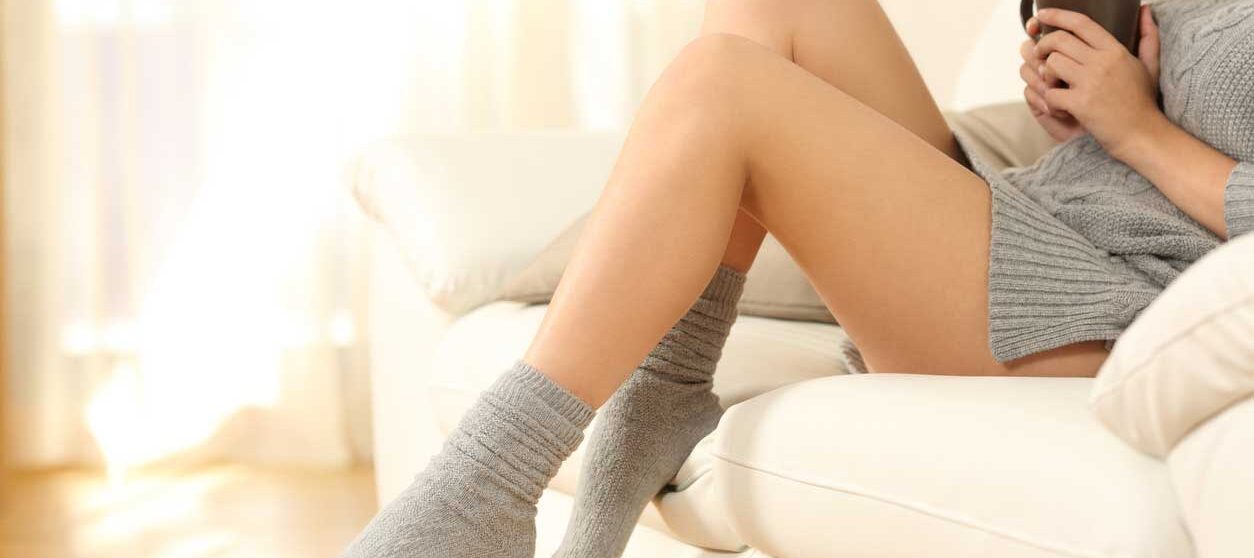
For years, you’ve been told the same thing: eat less and exercise more. But no matter how disciplined you are, the fat in your hips, thighs and calves won’t budge. Worse, it hurts. Your legs feel heavy by midday, and clothes that fit your upper body don’t come close to fitting your lower half.
If this sounds familiar, you may be one of the estimated 10-15% of women worldwide living with lipedema, a chronic condition that causes abnormal fat accumulation resistant to diet and exercise. Lipedema liposuction with Dr. Hakimi can provide lasting relief, restoring the mobility, comfort and confidence that this condition slowly takes away.
The Hidden Burden of Living with Lipedema
Lipedema doesn’t just change how your body looks. As abnormal fat accumulates in the legs (and sometimes, the arms), it can affect your mobility and comfort. Unlike normal fat, lipedema comes with a number of painful symptoms, including deep aches, tightness, burning sensations and a constant feeling of heaviness in the legs. Many women say it feels as if they’re carrying weights strapped to their limbs, making even simple activities like climbing the stairs, walking through a grocery store or playing with their kids exhausting.
Despite its prevalence, lipedema often goes undiagnosed for years, even decades. Women hear dismissive advice from doctors and family members who assume they just need to “try harder” to lose weight. But the reality is, lipedema is structurally and metabolically different from regular fat. It accumulates symmetrically, typically in the legs, sparing the hands and feet. It doesn’t respond to diet and exercise because it’s not caused by overeating or inactivity. It’s a medical condition influenced by hormones and genetics that requires treatment to address.
Why Diet and Exercise Aren’t Enough
Let’s be clear about something. Maintaining a healthy lifestyle matters for everyone, including women with lipedema. Regular movement supports lymphatic drainage and cardiovascular health, while a balanced diet can help reduce inflammation. These habits can make it easier to manage your symptoms and slow progression, but they won’t eliminate lipedema fat.
Think of it this way: if you had a tumor, you wouldn’t expect it to shrink through diet and exercise. Lipedema fat operates similarly because it’s abnormal tissue that remains regardless of your overall weight. Women with lipedema often have a stark contrast between their upper and lower bodies, with a relatively lean torso sitting atop disproportionately large legs. These unbalanced proportions persist even when they lose significant weight elsewhere.
Conservative treatments like compression garments and manual lymphatic drainage massage can provide symptom relief, especially in the early stages of lipedema. Compression helps reduce swelling and supports circulation, while lymphatic massage encourages fluid movement and can ease discomfort. But for women with moderate to severe lipedema, targeted, lymph-sparing liposuction is the only treatment that directly removes the problematic tissue.
How Lipedema Liposuction Works
Lipedema liposuction isn’t cosmetic surgery in the traditional sense. Yes, it improves body contours, but for most patients, aesthetics are secondary to function. They want to walk without pain. They want to wear pants that fit. And they want to feel like themselves again.
The procedure works by physically removing lipedema fat deposits using specialized techniques that protect the lymphatic system. This distinction matters because lymphatic vessels run throughout the fatty tissue, and damaging them can worsen swelling and lead to secondary lymphedema. Surgeons who are experienced in lipedema treatment use precise, careful methods to extract fat while preserving these delicate structures.
Dr. Michael Hakimi performs lipedema liposuction as an awake procedure at his Beverly Hills practice, using local anesthesia rather than general. This approach eliminates the risks associated with being fully sedated, allows for real-time feedback during surgery and dramatically shortens recovery time. Most patients return to light activities within 48 hours.
What Changes After Surgery
When pounds of painful, heavy fat are removed from your legs, movement becomes easier. Patients frequently describe feeling lighter almost immediately after surgery, as if a burden has been lifted. Activities that once required careful planning and recovery time become manageable again: walking the dog, taking the stairs, and standing through a concert without having to leave early. These small freedoms add up to a fundamentally different quality of life.
Pain relief is often just as significant. Lipedema pain ranges from mild tenderness to severe, constant discomfort. The fat itself is often inflamed, and the pressure it creates on surrounding tissues compounds the problem. Removing this fat provides relief that many patients notice right away. The chronic aching they’d learned to live with simply disappears.
The disproportionate fat distribution of lipedema also affects how clothing fits, how you see yourself in photos and how you feel in your own skin. After liposuction, patients find that their bodies finally make sense. One of Dr. Hakimi’s patients captured this transformation after lipedema liposuction in her arms. After her procedure, she achieved results she never thought possible. Her recovery was smooth and quick, with less bruising than expected, and the supportive follow-up care made the entire process feel seamless.
“I had SUCH an incredible experience with Dr. Hakimi! He performed liposuction on my arms and helped me finally get rid of stubborn fat that wouldn’t go away no matter how much I dieted or exercised. As someone who most likely struggles with lipedema, losing fat can be extremely difficult, but Dr. Hakimi gave me results I never thought were possible. Thanks to Dr. Hakimi and his team, I feel more confident and comfortable in my own skin, and I’m so grateful for their expertise.”
— Caridad G.
Finding the Right Specialist
Lipedema is frequently misdiagnosed or dismissed entirely, so finding a surgeon who genuinely understands the condition makes all the difference in your outcome and your experience. Look for someone who recognizes lipedema as a medical condition rather than a lifestyle problem, who is familiar with the specific techniques required to remove lipedema fat safely and who treats you as a partner in your care.
At Hakimi Plastic Surgery in Beverly Hills, this is exactly what you can expect. Dr. Hakimi takes time to explain your options and answer questions without rushing, which is why his patients frequently describe him as the first doctor who truly listened to them. When you’ve spent years feeling dismissed, that kind of experience changes everything.
Reclaim Your Comfort & Confidence at Hakimi Plastic Surgery
Living with lipedema means living with limitations you didn’t choose and can’t control, but you do have options. Lipedema liposuction offers a path to real, lasting relief: lighter legs, less pain and balanced proportions that help you feel more confident in your own skin.
If you’re ready to explore whether lipedema liposuction is right for you, Dr. Hakimi provides thorough consultations at his Beverly Hills office, evaluating your symptoms, discussing your goals and creating a treatment approach that makes sense for your situation. Call Hakimi Plastic Surgery at 424-239-5201 or request a consultation online to get started.