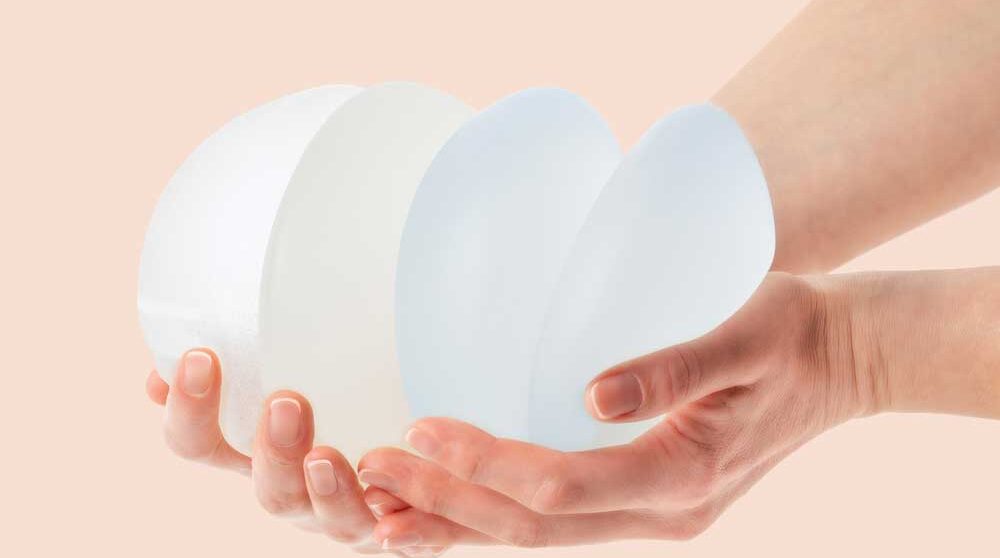
Breast augmentation is one of the most popular cosmetic procedures in Beverly Hills and beyond. According to the American Society of Plastic Surgeons (ASPS), 306,196 breast augmentations were performed in 2024, with only liposuction coming in higher at 349,728.
Despite the popularity of breast augmentation, it’s natural to have questions about safety. Are breast implants safe? Will they interfere with mammograms? Do they have to be removed or replaced eventually?
As patients become more informed about their options, Dr. Hakimi finds that certain concerns come up repeatedly in consultations. Here are some of the most common questions he hears about breast implant safety, along with evidence-based answers that can help you make the best decision for your body.
Are Breast Implants Actually Safe?
The short answer is yes, when placed by qualified surgeons and properly monitored over time. This reassurance comes from years of clinical data and FDA oversight.
Breast implants have been studied more thoroughly than most medical devices on the market today. The FDA has strengthened safety requirements in recent years, including mandatory Patient Decision Checklists that ensure women understand the risks and benefits before surgery. These measures reflect a commitment to patient safety while acknowledging that breast implants can be used without harm when the appropriate precautions are taken.
How Long Do Breast Implants Last?
Breast implants aren’t designed to last forever and may eventually need removal or replacement due to normal “wear and tear” or changes in your body.
This doesn’t mean breast implants are unsafe. It means they’re medical devices with natural lifespans, much like pacemakers or hip replacements. Some women have their breast implants removed or replaced after only a few years, whether due to concerns like capsular contracture or a desire to return to their natural contours, while others have had their breast implants for 20 years or more without issue.
Most women experience no major complications related to their breast implants, but the FDA does recommend regular rupture screening for silicone implants, starting five to six years after the initial surgery, then every two to three years thereafter.
Will Breast Implants Interfere With Mammograms?
This is a common concern, especially for women with family histories of breast cancer. The good news is that breast implants don’t prevent mammography, though they do require some additional considerations. Radiologists use specialized techniques and additional views to see around the implant and examine breast tissue thoroughly.
During mammography with implants, technologists perform what’s called the “implant displacement technique,” gently pushing the implant back against the chest wall to bring more breast tissue into view. This may require additional images compared to standard mammograms, but it allows for effective breast cancer screening. It’s important to inform your provider that you have implants before the exam begins.
What Is Breast Implant Illness?
Some women experience a number of symptoms they attribute to their breast implants, known collectively as breast implant illness (BII). The FDA has documented reports of these systemic symptoms, which include fatigue (41.1%), joint pain (30.9%), and brain fog (22.5%).
These concerns deserve serious consideration and open discussion with your surgeon. While the relationship between implants and BII symptoms remains an area of active research, nearly 90% of women report a significant improvement in their health after implant removal.
Symptoms can appear anywhere from immediately after implantation to decades later, with an average onset time of 5.6 years. What matters most is that you have a surgeon who listens to your concerns and works with you to find the best solution for your individual situation.
Should I Be Worried About Cancer Risks?
The cancer risk associated with breast implants primarily involves a rare condition called breast implant-associated anaplastic large cell lymphoma (BIA-ALCL). The FDA has tracked 1,380 cases since 2011, with 64 deaths linked to this rare diagnosis.
BIA-ALCL is believed to be caused by an inflammatory response and not related to BII or breast cancer. The prognosis is good if caught early, with the most common symptom being swelling or fluid accumulation around the breast. Some women have also reported pain, skin changes, fever and enlarged lymph nodes prior to diagnosis.
The vast majority of BIA-ALCL cases are linked to a specific type of implant that has since been recalled: textured implants, particularly those produced by Allergan. Smooth implants have a much lower risk of BIA-ALCL. In fact, there are zero reported cases of BIA-ALCL associated with the Motiva implants that Dr. Hakimi uses at his Beverly Hills practice.
Are Newer Implants Really Safer?
Modern breast implants have come a long way from earlier generations. Today’s devices undergo rigorous testing and regulatory review, with the FDA requiring comprehensive post-approval studies to monitor long-term performance and safety. These studies follow thousands of patients for up to 10 years, providing robust data on implant durability and patient outcomes.
Dr. Hakimi is proud to offer Motiva implants, a leader in breast implant manufacturing. Motiva implants are engineered to replicate natural movement and are associated with extremely low rates of complications like capsular contracture (0.5%) in a five-year follow-up study. They also feature proprietary technologies designed to enhance both safety and results, including BluSeal® shells that provide a visual indicator of structural integrity.
Making Your Decision
The safety of breast implants depends on several factors: choosing a qualified plastic surgeon, selecting an appropriate implant type, and following the recommended guidelines.
Dr. Hakimi’s boutique approach means every consultation includes a thorough discussion of these safety considerations. “I talk to my patients and listen to them,” he explains. “I want them to understand all of the potential risks so they can make the choice that feels right for them.”
This personalized approach ensures that safety considerations align with your individual goals and circumstances. You’ll understand not just the benefits of breast augmentation, but also the responsibilities that come with having implants.
Learn More About Breast Implant Safety
If you’re ready to get answers to your specific questions about breast implant safety, schedule a consultation with Dr. Hakimi at 424-239-5201. Every patient deserves to understand their options completely before making this important decision.